
NEWS & STORIES
Blogs
Tips, updates and real stories from the La Louve community.
News, tips, and stories from La Louve Private Hair Academy.
-
Why La Louve Graduates Leave With Two Qualifications, Not One
Most people assume a hairdressing qualification is a hairdressing qualification. At La Louve, students walk away with more than that: a nationally recognised certificate, plus the option to add an internationally recognised one alongside it.
Every student works toward the National Certificate: Hairdressing (SAQA ID 102497, NQF Level 4, 540 credits). It is built from seven theory modules, six hands-on practical modules, and five salon-based work experience modules, covering everything from chemical hair services and colour to client consultation and professional standards.
Alongside that, students can opt into the City & Guilds L327 international qualification. It is a set of additional units, things like colour correction, bridal hairstyling, hair extensions, and creative design, that carry weight with employers outside South Africa too. It is not a replacement for the national qualification; it sits on top of it.
That combination opens doors most single qualifications do not. Our graduates go on to work as salon owners and managers, technical advisors for hair care brands, freelance stylists, and, thanks to the international add-on, stylists on cruise ships and in salons abroad.
It is one of the reasons our trainers stay current too: they work in the salon on their non-training days, so what you are learning reflects what is actually happening in the industry, not just the syllabus. If you want to know more about how the two qualifications fit together, get in touch. We are taking registrations for 2027.
-
Why AI Will Never Replace Hairdressers

Every few months, a new headline warns that artificial intelligence is coming for another profession. Hairdressing gets mentioned more often than you might expect — usually alongside a photo of a robotic arm holding scissors. So let’s address it directly: AI is not going to replace hairdressers. Here’s why.
Hairdressing Is a Physical, Adaptive Skill
No two heads of hair are the same. Texture, growth pattern, density, how it falls when wet versus dry, how a client’s hair behaves in humidity versus a dry winter — a stylist reads and reacts to all of this in real time, with their hands, as they work. A pair of scissors doesn’t follow a script; a good cut adjusts itself dozens of times over the course of an appointment based on what the stylist sees and feels. That kind of moment-to-moment physical judgement isn’t something software executes. It’s something a trained person does.
A Consultation Is a Conversation, Not a Form
Ask any experienced stylist and they’ll tell you the real work often starts before a single cut is made. A good consultation involves listening — to what a client says they want, and often to what they mean underneath that. Someone might ask for “just a trim” while clearly wanting a fresh start. Someone else might bring in a photo that would never suit their face shape or lifestyle, and needs a stylist who can gently steer them somewhere better. That reading of a person, not just their hair, is relational. It’s built on trust, eye contact, and experience with real people — not a dataset.
Where AI Actually Helps
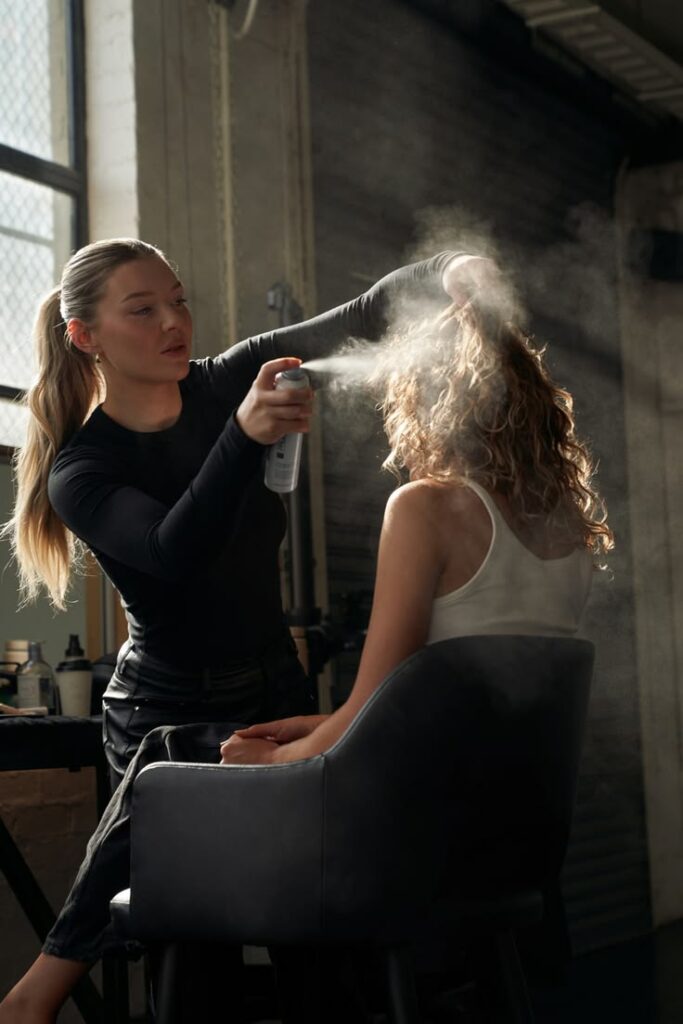
None of this means technology has no place in the industry. Colour formulation software, booking and scheduling tools, and AI-generated mood boards for inspiration are already useful in salons, including our own. Used well, these tools free stylists up to spend more time on the parts of the job that actually need a human — the consultation, the cut, the colour work, the finishing touches, the relationship with a returning client. Technology is a tool in the kit, not a replacement for the hands holding it.
The Craft Is the Career
This is part of why we train the way we do at La Louve — real salon experience alongside theory, from day one. It’s not possible to become a skilled colourist, cutter or stylist from a screen. It takes repetition, feedback from an educator standing next to you, and hundreds of hours of hands actually working on hair. That’s a craft, and crafts don’t get automated away — they get passed down, practised, and refined by the next generation of people willing to learn them properly.
If anything, in a world leaning more on screens and algorithms, the demand for real, skilled, in-person craftspeople — hairdressers included — isn’t going anywhere.
0 Comments
Be the first to comment.
-
Breaking Barriers: The Women Redefining Barbering at Groom’d
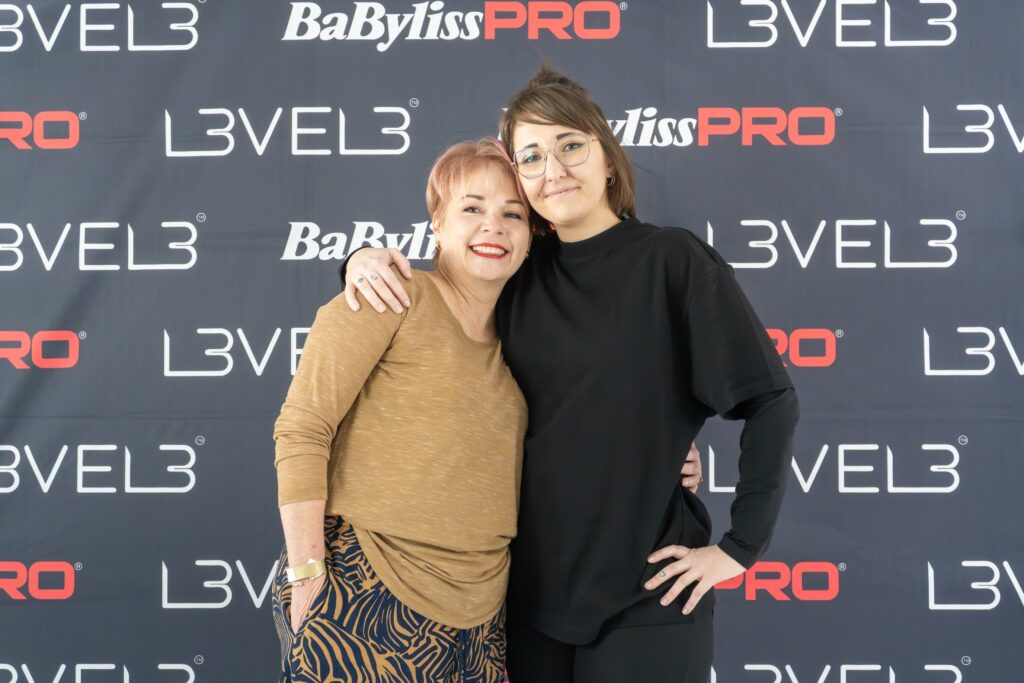
Barbering has long been seen as a male-dominated profession, but in South Africa, women like Leandri and Lize from Groom’d Barbershop in Pretoria are rewriting the narrative. With a passion for precision, an unwavering dedication to their craft, and a determination to prove that skill has no gender, they are paving the way for a new generation of female barbers.
Challenging Perceptions
For Lize, the journey into barbering was fuelled by a love for cutting hair—especially the art of clipper work. While initially trained in women’s hairstyling at La Louve Private Hair Academy, she quickly realised that her true passion lay in barbering. “I never sought to gain respect just because I was a woman in a male-dominated industry. I wanted my work to speak for itself,” she says.
The biggest challenge she faced was overcoming the outdated perception that barbering is a man’s job. Some clients hesitated to trust a female barber, while male colleagues were initially sceptical. But Lize remained focused, letting her skill and dedication do the talking. “I knew that if I kept pushing forward, perfecting my craft, and delivering excellent results, respect would come naturally.”
The Industry Shift
Both Lize and Leandri have witnessed a shift in attitudes towards female barbers. While scepticism still exists in certain circles, an increasing number of male clients now actively seek out female barbers for their precision and attention to detail. “Barbering is an art, and more people are realising that gender has nothing to do with skill,” says Leandri.
This change in perception is not just about breaking barriers but also about inspiring other women to enter the profession. More female barbers are making their mark, proving that talent and dedication are the true measures of success.
Mastering the Craft
At Groom’d, staying ahead of trends is a priority. Lize emphasises the importance of continuous learning, whether through industry workshops, social media insights, or simply listening to clients’ evolving preferences. “I focus on perfecting the latest trends so that when people think of a certain cut, they think of me,” she says.
From classic razor shaves to intricate fades and beard sculpting, both barbers pride themselves on delivering top-tier service, ensuring every client leaves with a sharp, tailored look.
The Future for Women in Barbering
For aspiring female barbers, the advice from Groom’d is simple: practise relentlessly, develop a unique style, and build a strong network. “The road to success in barbering, like any craft, requires dedication and perseverance,” says Leandri.
Looking ahead, the future of women in barbering is bright. With more recognition, mentorship opportunities, and platforms to showcase their work, female barbers are gaining ground in the industry. Social media has played a crucial role in amplifying their presence, allowing them to inspire and connect with others worldwide.
At Groom’d, the mission is clear: create a space where skill, passion, and creativity thrive—regardless of gender. By breaking barriers, mentoring the next generation, and redefining the industry, Leandri and Lize are proving that barbering is for everyone.
0 Comments
Be the first to comment.
-
My Hairdressing Journey: Rooted at La Louve
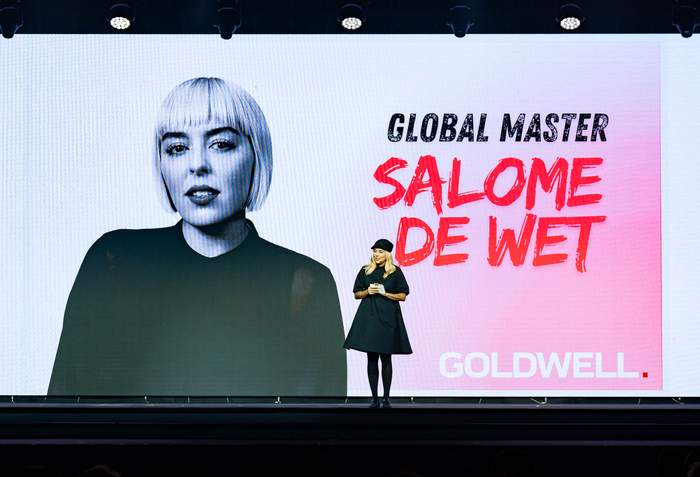
My Hairdressing Journey: Rooted at La Louve
My career began at La Louve Private Hair Academy, a place that didn’t just teach me how to cut and color—it ignited a lifelong passion. La Louve was where I found my voice as an artist and the confidence to pursue hairstyling as more than a career—it became my lifestyle.
With a natural drive for excellence and creativity, I quickly gravitated toward competitions. My early years were marked by significant wins, including:
- Paul Mitchell Young Blood Winner (2012, 2013)
- EOHCB National Hairdressing Championships – Open Bridal Section Winner (2012)
- Paul Mitchell “The Boys” Winner (2013)
- Intercoiffure Foundation Guillaume Winner (2013)
- Goldwell ColorZoom Winner (2013–2017)

Representing my country on the Global ColorZoom stage for five consecutive years—first in New Talent, then in Creative Colorist—was a defining chapter in my journey. In 2019, a lifelong dream came true when I joined the Goldwell Global Artistic Team, where I’ve had the honour of working alongside industry legends ever since.
Today, I continue to share my passion through education—especially online, where I can connect with and inspire stylists around the world. From my foundation at La Louve to the global stage, every step has been driven by the love of the craft and a desire to uplift others in this incredible industry.
Best,
Salome0 Comments
Be the first to comment.
-
From Student Salon to Session Stylist: Where a La Louve Qualification Can Take You
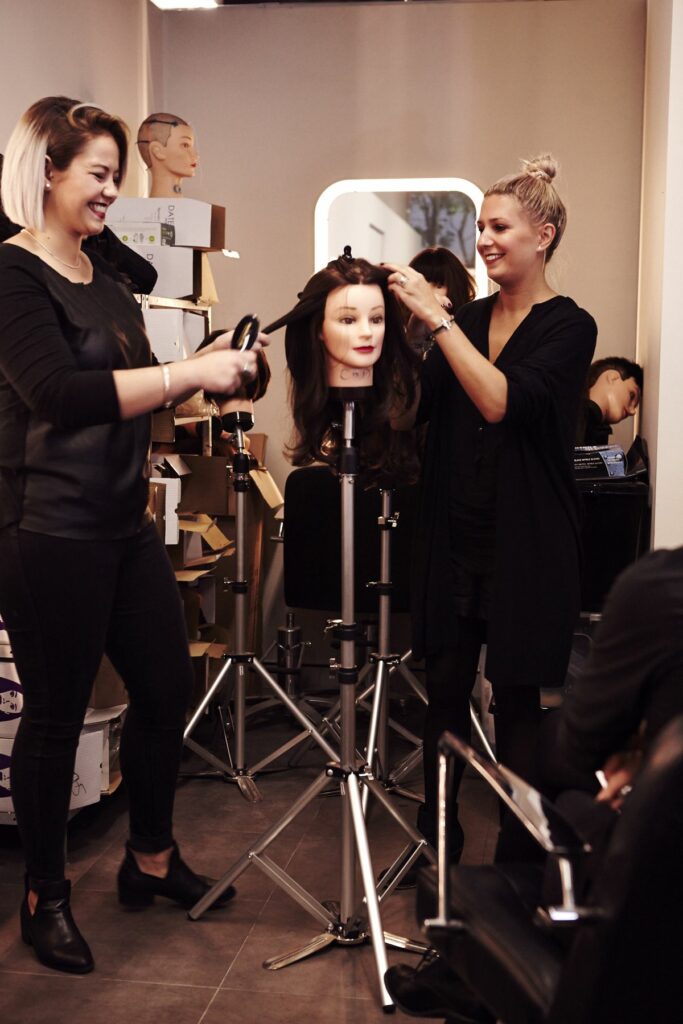
A qualification is really just the starting point. What our graduates do with it is where things get interesting.
Many begin as junior stylists in salons around the country, working their way up to senior stylist and eventually salon management or ownership. Because our syllabus covers both the National Certificate: Hairdressing and, for those who choose it, the internationally recognised City & Guilds qualification, graduates aren’t limited to opportunities inside South Africa either.
Others take their training in more specialised directions — session and editorial styling for photoshoots and productions, technical advisor roles with hair care brands, or representative positions promoting products they’ve trained on themselves. We’ve also had graduates take their scissors to sea as stylists aboard cruise ships, and others return to La Louve as trainers once they’ve built up real salon experience.
What ties all of these paths together is the same practical foundation: real client experience in our student salon, current techniques from trainers who still work the floor, and a nationally and internationally recognised qualification behind it all.
Curious where your own hairdressing career could go? Have a look at our Careers page for more, or get in touch to chat through your options.
0 Comments
Be the first to comment.
-
What Life as a Full-Time Student at La Louve Actually Looks Like
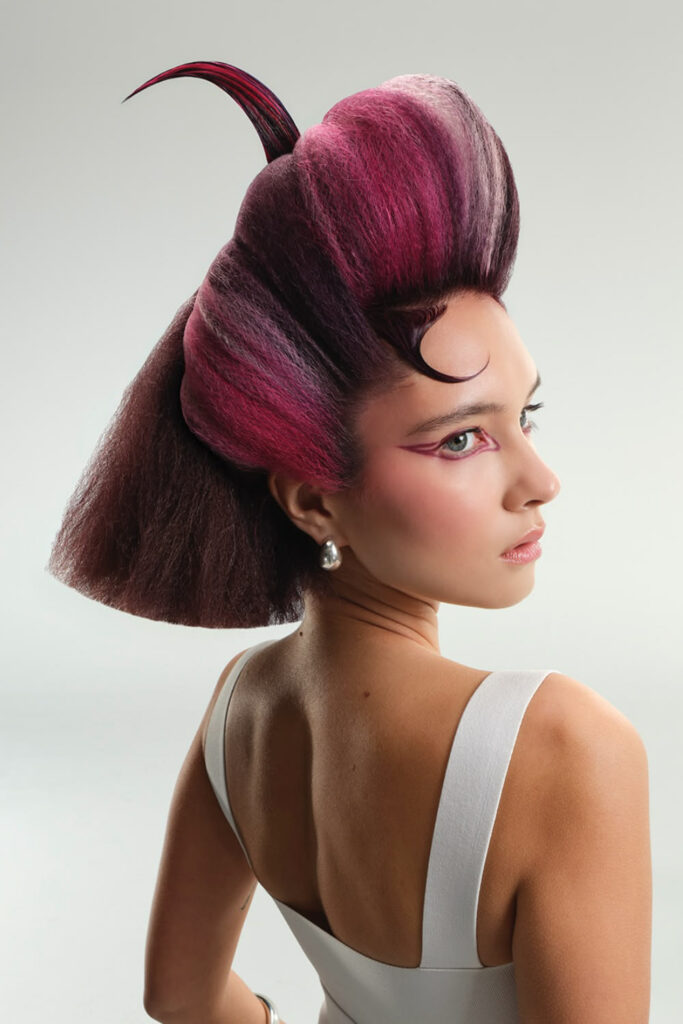
Thinking about enrolling full-time and wondering what a week actually looks like? Here’s an honest walk-through.
Classes run Monday to Friday, combining knowledge modules like hair and skin science, chemical services, and communication and sales with hands-on practical training in cutting, colouring, and styling. You’re never just sitting through theory for its own sake; every module ties directly back to something you’ll practise on a real head of hair.
On Wednesdays, our student salon opens its doors to real clients, giving full-time learners supervised, real-world salon experience well before they graduate. It’s often the point where students say the training finally ‘clicks’ — there’s nothing like a client’s reaction to a finished style to sharpen your skills.
Once your practical and knowledge modules are complete, you move into your workplace experience hours, with our strongest students getting the opportunity to complete these in our own full-time salon. From there, it’s on to the final summative assessment and trade test.
It’s a full week, but a structured one — and every hour is building toward a City & Guilds-eligible, nationally recognised qualification.
0 Comments
Be the first to comment.
-
Full-Time or Part-Time? Choosing the Right Path to Your Hairdressing Qualification
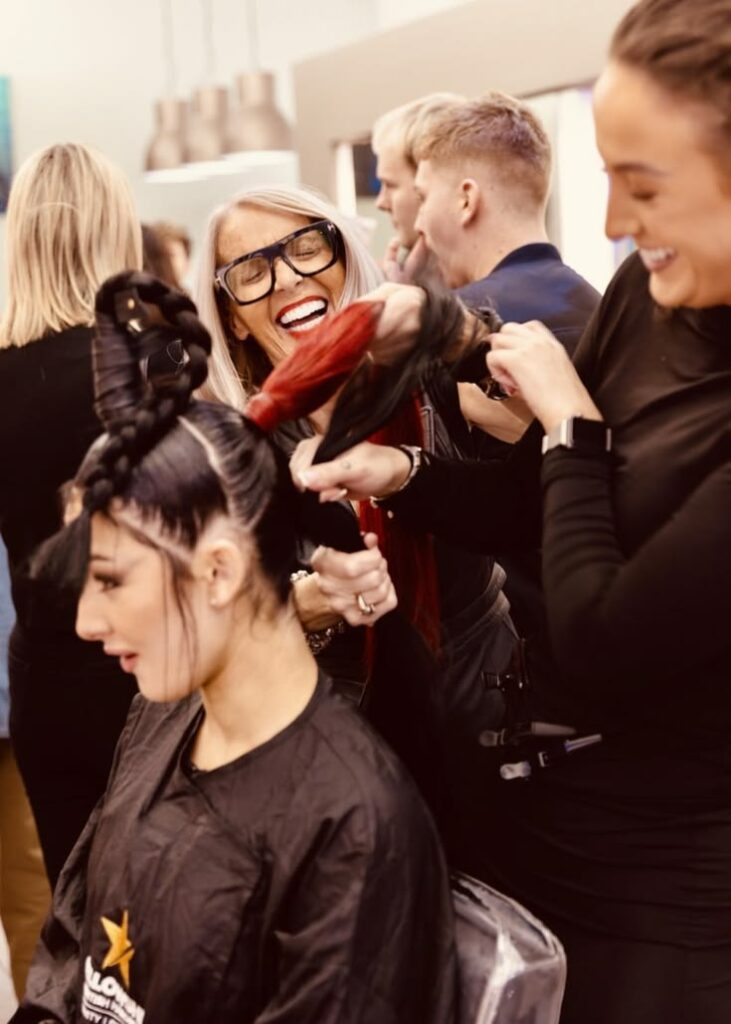
One of the most common questions we get from prospective students is which study path suits them best. At La Louve Hair Academy, every route leads to the same nationally recognised qualification, so the real question is about fit, not outcome.
Our Full-Time programme suits students who can commit Monday to Friday and want to move through theory and practical training together, with workplace experience completed afterwards. It’s the fastest route to qualifying.
Part-Time study is built for students who are already working in an accredited salon. You attend one class a week while gaining real, paid salon experience the rest of the time, which typically takes two to three years to complete.
Evening Classes run on Wednesday evenings and follow the same part-time syllabus, making this a good option for anyone working during the day who still wants to build toward the qualification.
Whichever path you choose, our trainers work in the salon on their non-training days, so you’re always learning techniques that are current in the industry. If you’re still deciding, get in touch and we’ll help you weigh up what fits your life right now.
0 Comments
Be the first to comment.
0 Comments
Be the first to comment.